
Focusing on Coal-Fired Power Low-Carbon Transition – Debo Model Showcased at Xiangyang Industry Exchange Conference; Gasification Coupling Technology Empowers Upgrading of Existing Coal-Fired Units
On August 19, the "Exchange Conference on Advanced Technologies and Typical Cases for Co-firing of Coal-Fired Units with Biomass, Green Ammonia (Hydrogen), Sludge and Other Solid Wastes," hosted by the Power Environmental Protection Professional Committee of the Chinese Society for Electrical Engineering (CSEE), was held in Xiangyang, Hubei Province. Centered around the theme of "Multi-source Coupling, Cost Reduction and Efficiency Enhancement, Pollution and Carbon Reduction, Green and Environmentally Friendly," the conference brought together experts and representatives from major power generation groups, research institutes, and equipment manufacturers to discuss technological pathways and industrial practices for low-carbon retrofitting of existing coal-fired units and the resource utilization of solid wastes such as biomass sludge. Hefei Debo Bioenergy Technology Co., Ltd. presented its mature biomass gasification coupling technology suite at the conference. Chairman Zhang Shoujun delivered a keynote presentation, systematically introducing the technological innovations and industrialization practices of the "Debo Model."
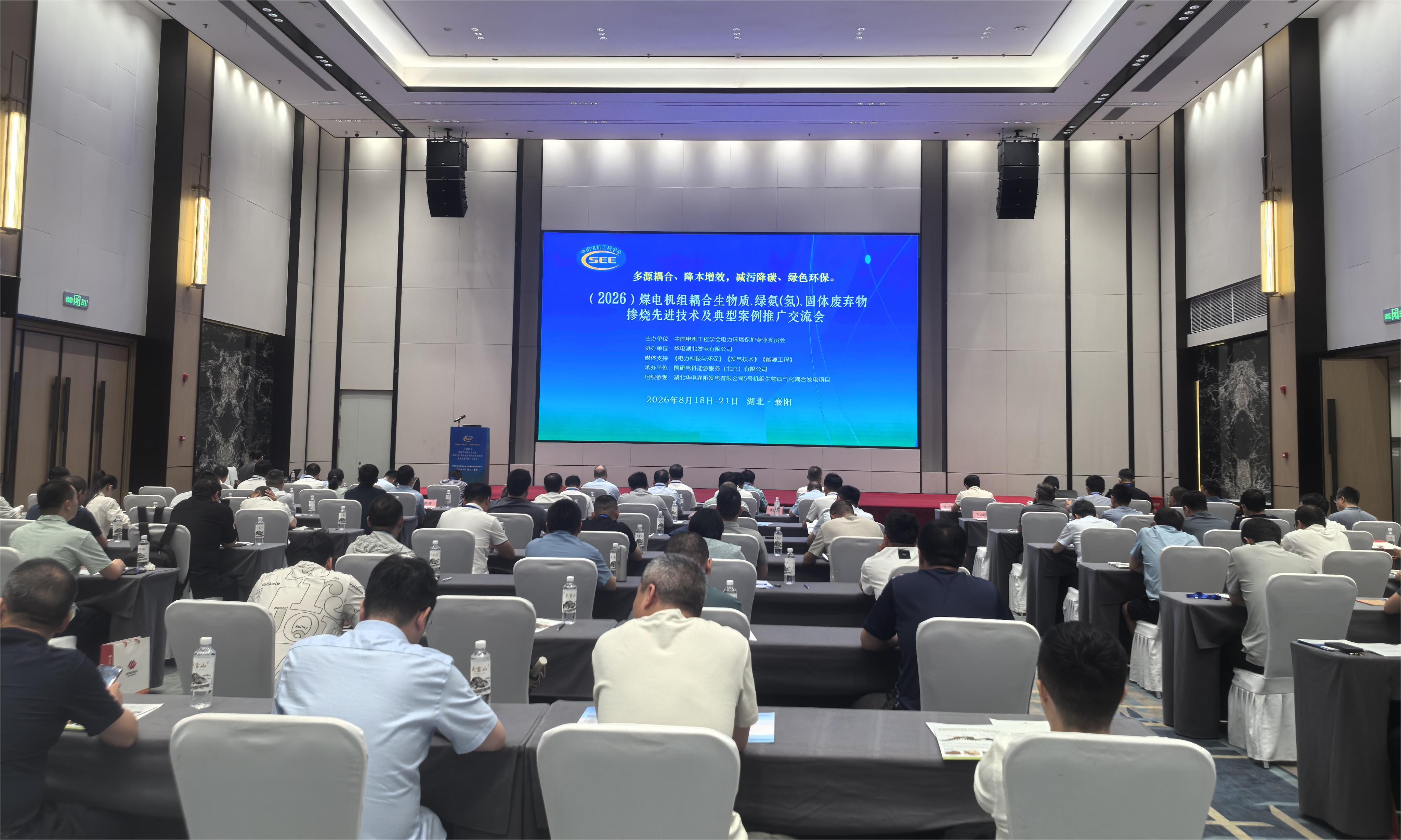
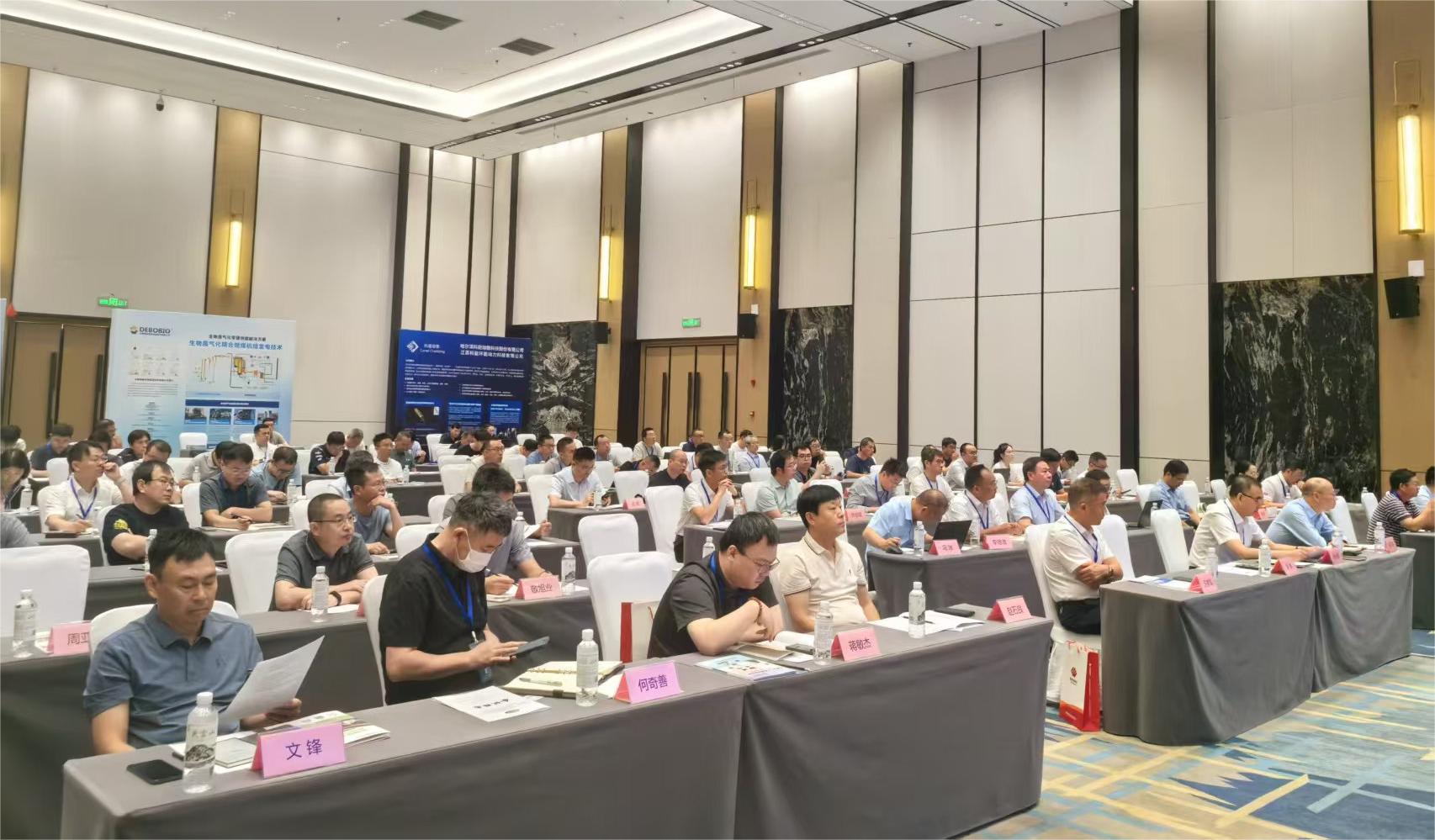
Currently, the green transition of China's existing coal-fired power capacity is accelerating, with biomass co-firing emerging as a key pathway for carbon reduction in coal-fired units and the utilization of agricultural and forestry waste. However, the industry still faces challenges including boiler corrosion and slagging, limitations on high-proportion co-firing, difficulty in verifying carbon reduction data, and inadequate project economics.
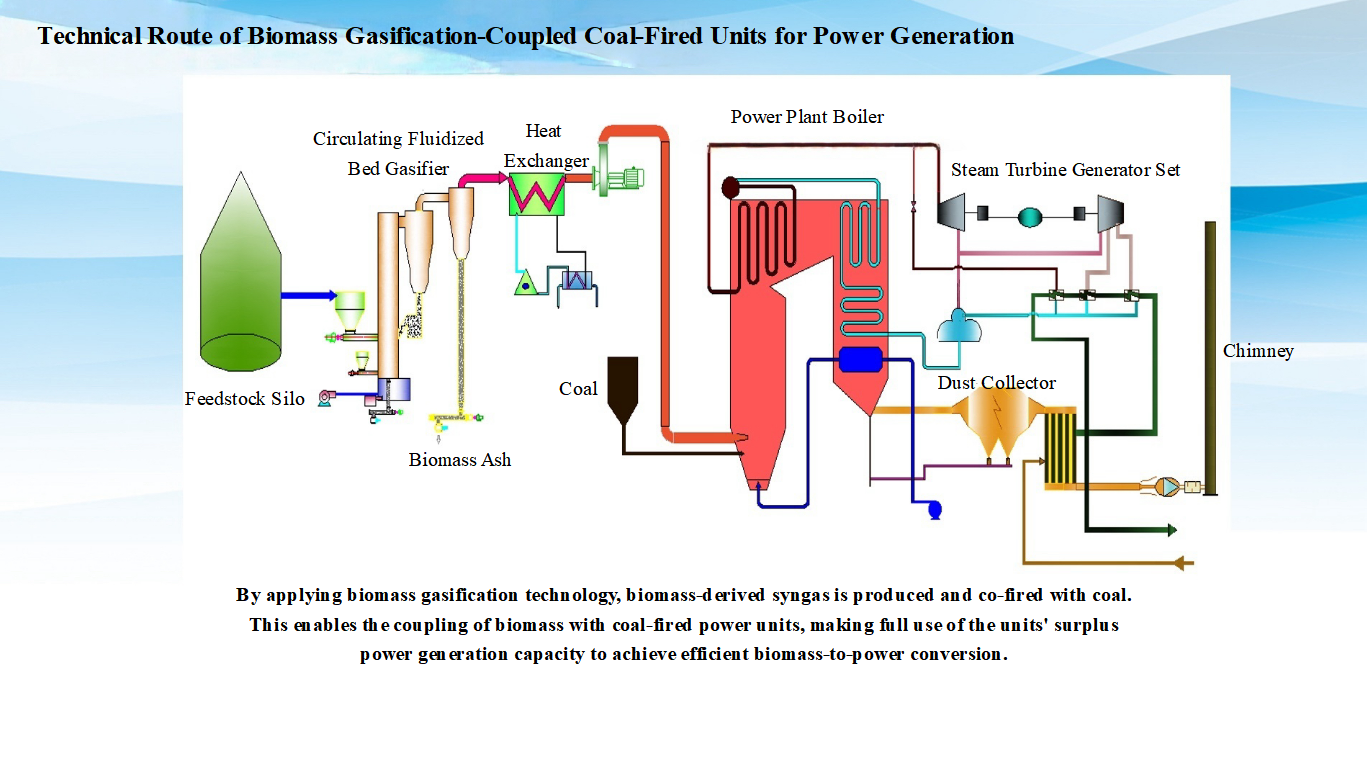
In his presentation, Zhang Shoujun elaborated on the core technical roadmap of the "Debo Model" – gasification first, then co-firing. This technology delivers agricultural and forestry waste – such as straw, wood chips, and bark – into a CFB gasifier for pyrolysis treatment. During the gasification stage, corrosive components including alkali metals and chloride ions are separated in advance, producing clean combustible syngas that is then fed into the coal-fired boiler for co-firing. The retrofit requires no major modifications to the existing coal-fired unit's main equipment, fundamentally reducing the risks of boiler corrosion, slagging, and tube rupture. The technology features broad fuel adaptability, capable of processing high-moisture and diverse types of agricultural and forestry wastes, effectively reducing feedstock collection, storage, and transportation costs. With an independent closed-loop monitoring system for the gasification unit, syngas flow rate and calorific value composition can be monitored online 24/7. Carbon reduction data is measurable, verifiable, and attributable, meeting the requirements for CCER and green electricity certification applications, and enabling a stable 10%–20% thermal co-firing ratio for deep carbon reduction of the unit. The system also supports flexible switching between power generation and biochar co-production modes. The biochar can be further processed into carbon-based compound fertilizers for soil application, creating a green circular chain of "biomass → power generation → char production → soil application," thereby broadening project revenue streams.
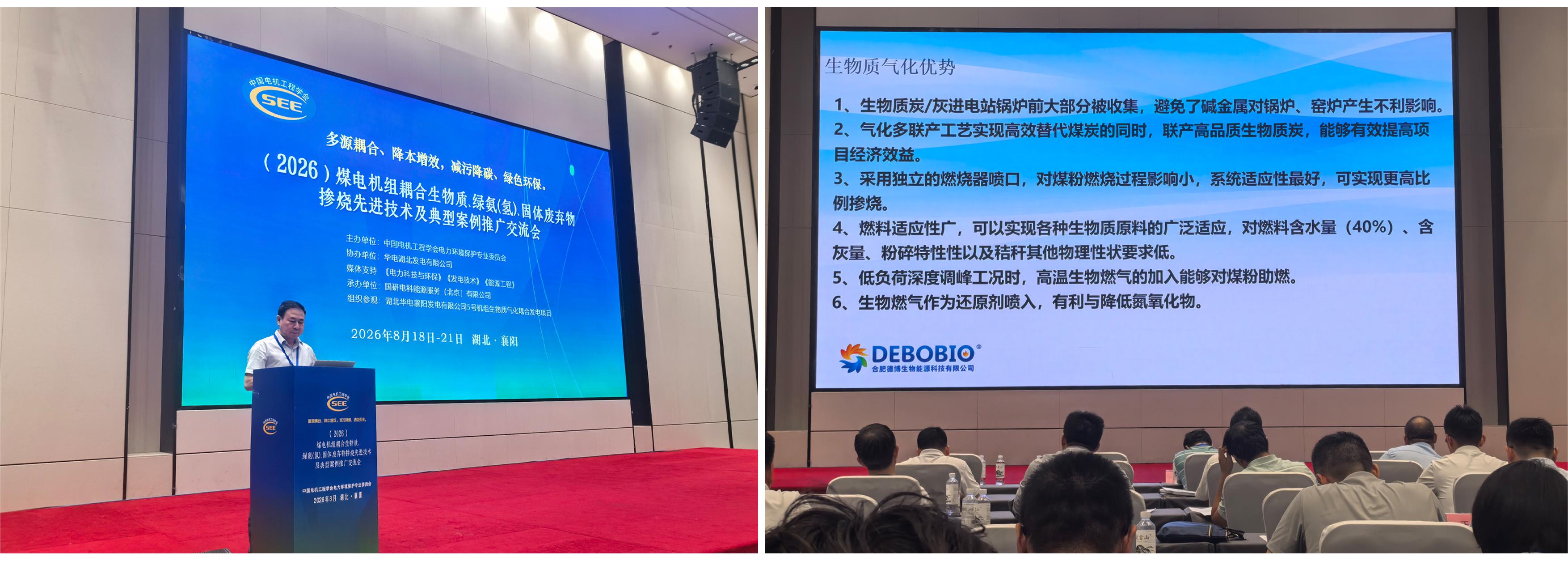
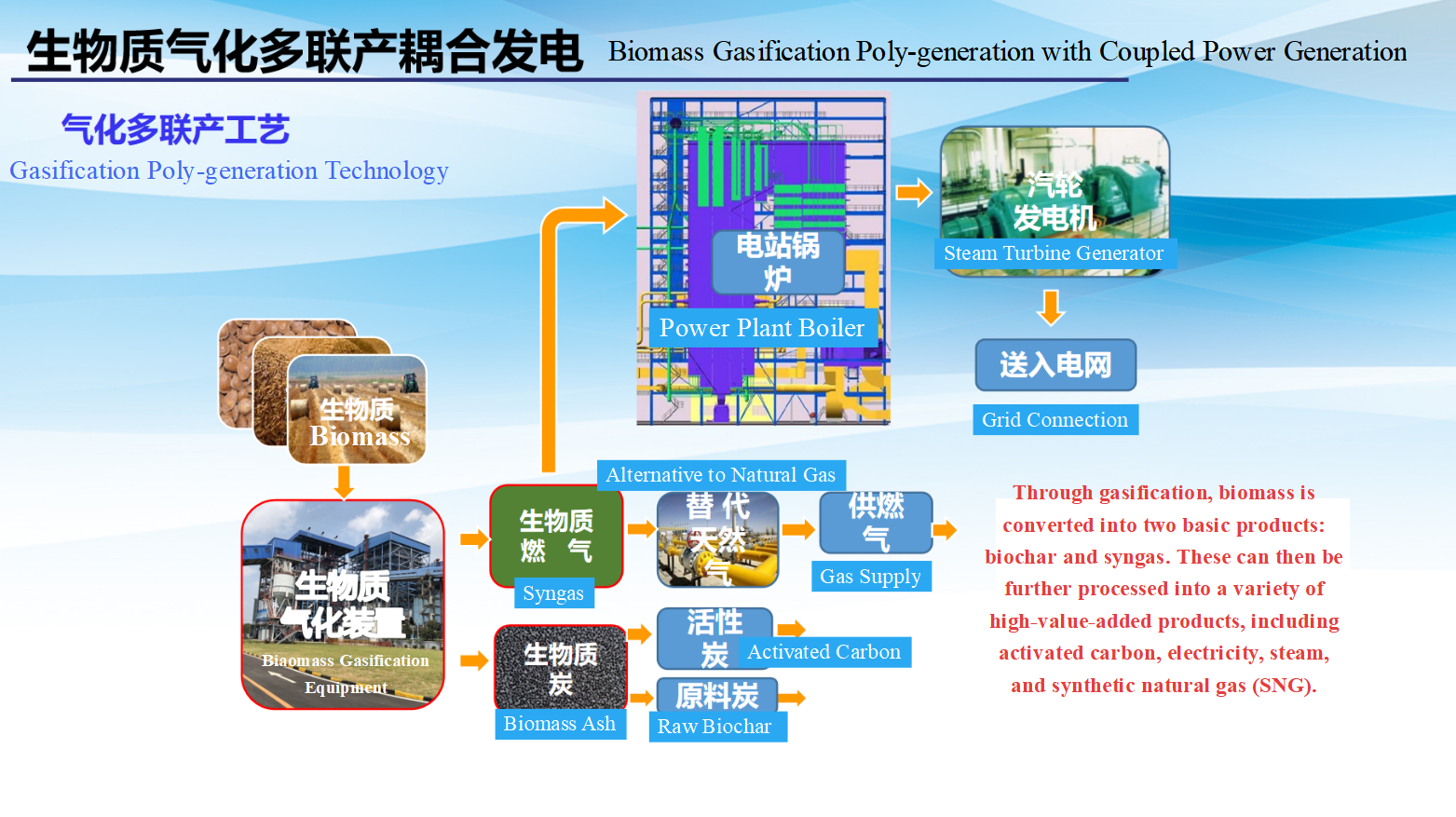
It is understood that the Debo Model has undergone over a decade of iterative development, achieving the transition from demonstration projects to large-scale industrial deployment. The 10.8 MW Guodian project commissioned in 2012 was China's first commercial biomass gasification-coupled power generation project. The Huadian Xiangyang Phase I project's gasifier was recognized as one of the first set of major technical equipment in China's energy sector, with key technologies appraised as internationally leading, and was awarded the First Prize of the Science and Technology Progress Award of Huadian Group. The Huadian Xiangyang Phase II 13.2 MW project, commissioned in early 2026, achieved flexible dual-mode operation for biochar co-production and gasification power generation. As one of the first batch of pilot projects for the new power system under the National Energy Administration, Huadian Xiangyang Unit 5 consumes 220,000 tons of agricultural and forestry wastes annually, generates 290 million kWh of electricity per year, and achieves an equivalent CO₂ emission reduction of 231,000 tons. It also served as the benchmark demonstration project for on-site observation during the conference.
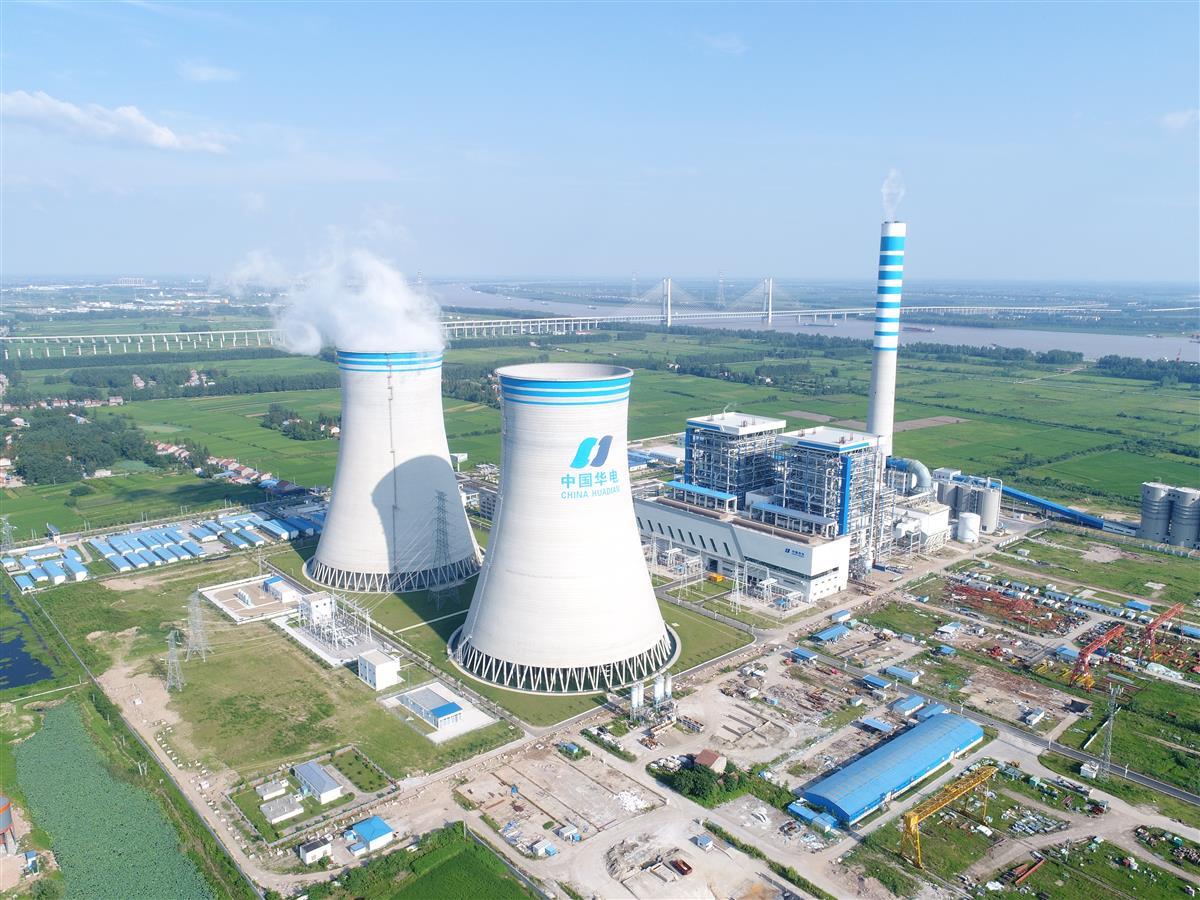
Recently, Debo achieved another industrial breakthrough by winning the bid for the Huadian Jiangling 66 MW large-scale straw gasification coupling demonstration project. The project features two 25 t/h CFB gasification units, capable of processing 50 tons of straw per hour and producing 100,000 Nm³ of syngas, with a coupled power generation capacity of 66 MW. The project innovatively adopts a waste heat boiler heat exchange technology, increasing gasification efficiency to 76%, with surplus steam available for external supply, further enhancing the overall economic benefits of the project and setting a benchmark for large-scale biomass coupling retrofits of 1,000 MW-class coal-fired units.
The conference featured keynote presentations, expert Q&A sessions, new technology exhibitions, and on-site observations. Following the conference, participants visited the Huadian Xiangyang Phase I 5-unit biomass gasification-coupled power generation project for a firsthand understanding of the full-process operation of the gasification coupling process.
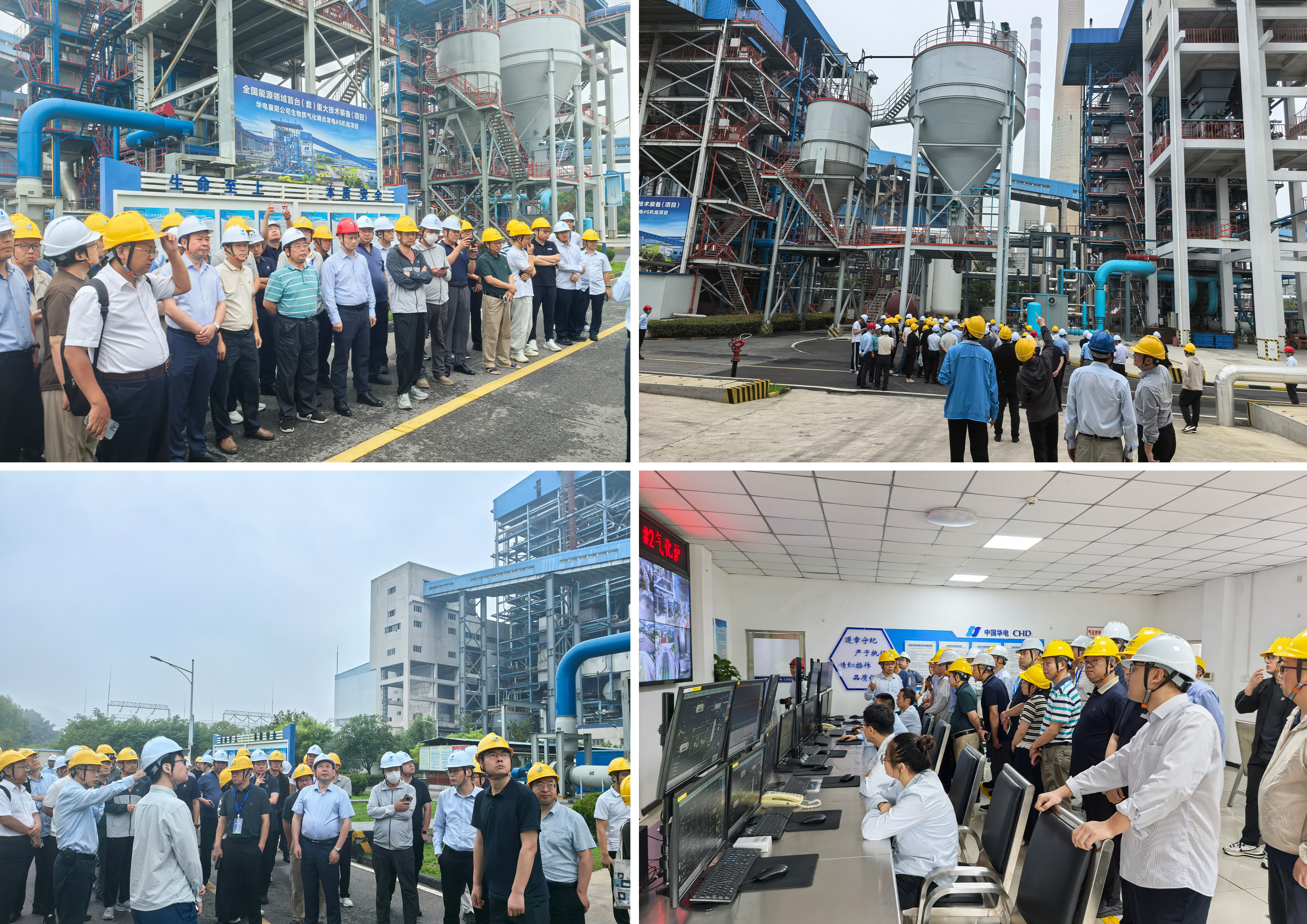
Industry experts noted that the core of retrofitting existing coal-fired capacity lies in revitalizing existing assets while balancing safety, carbon reduction, and economic benefits. Debo's gasification coupling technology effectively addresses many of the technical bottlenecks of traditional biomass co-firing, providing a replicable turnkey solution for low-carbon retrofitting of coal-fired power plants in China.
Looking ahead, Hefei Debo will continue to optimize large-scale gasification equipment, continuously refine its processes, and improve project economics. The company aims to promote the engineering experience gained from benchmark projects nationwide, support more coal-fired units in achieving safe and efficient green and low-carbon upgrades, and contribute to the development of the new power system and the realization of China's carbon peaking and carbon neutrality goals.