Integrity as Productivity: Debo's 18 Years of Pragmatic Dedication to Biomass Energy Innovation
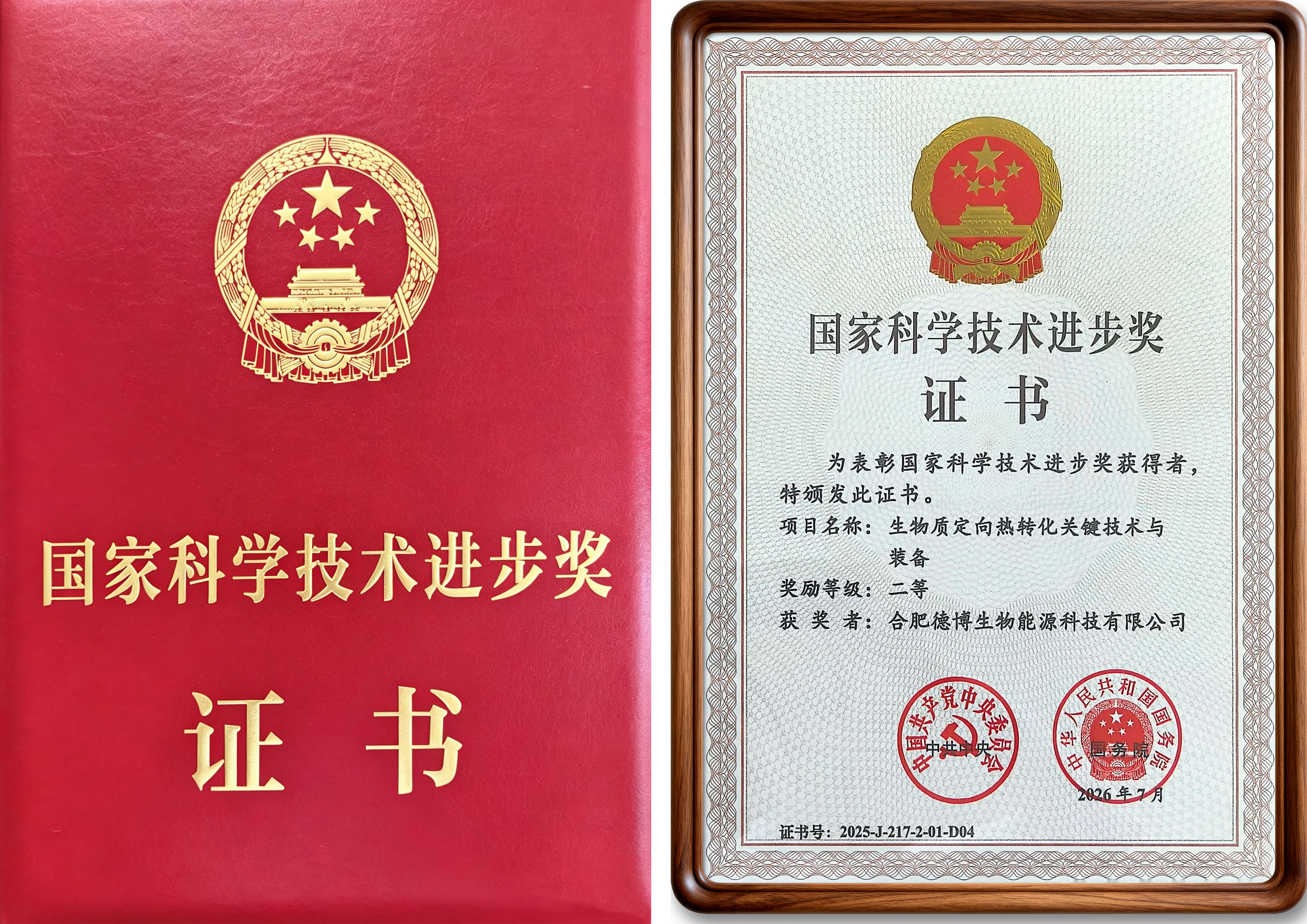
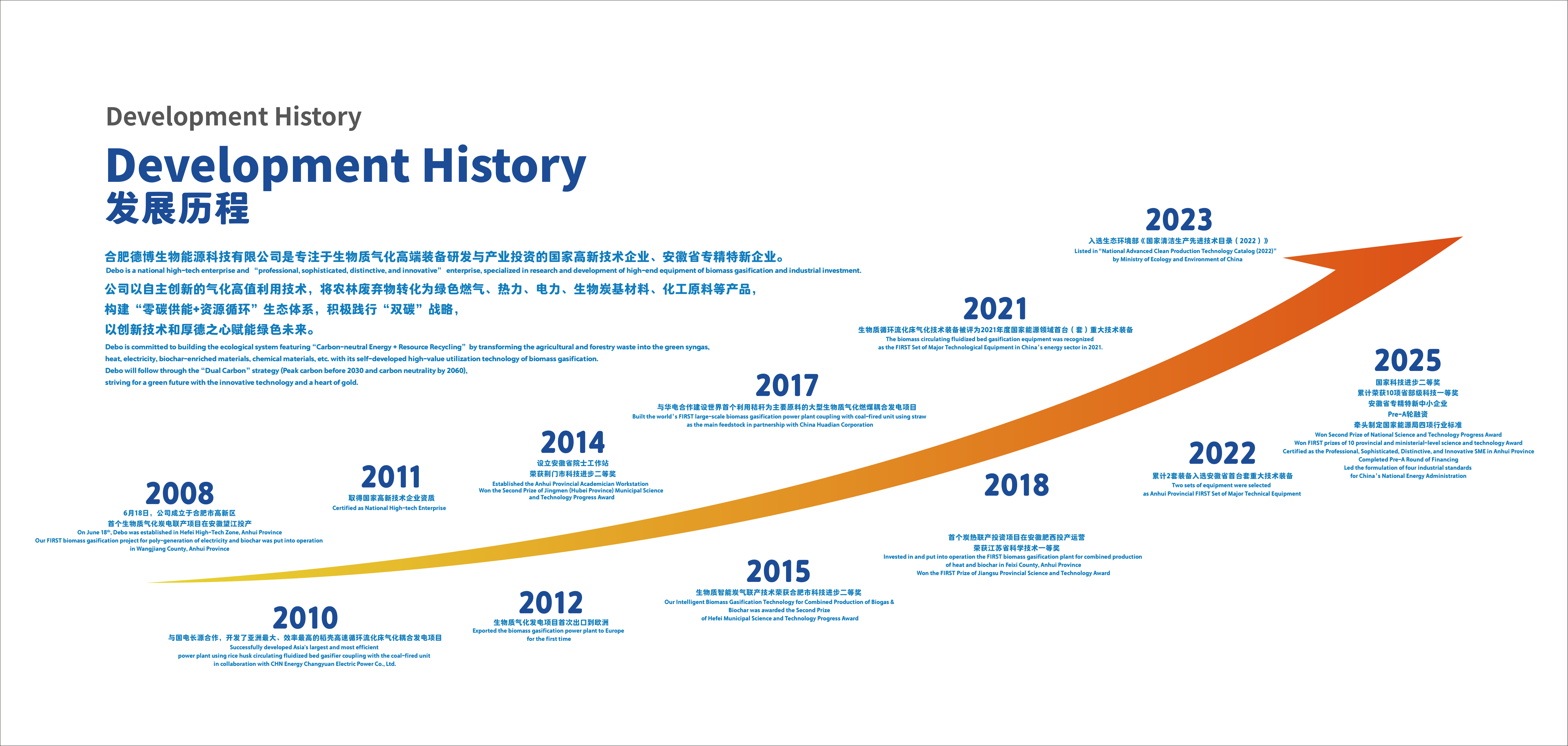
While "science and technology are the primary productive forces" is a widely acknowledged industry consensus, Hefei Debo Bioenergy Technology Co., Ltd. has always adhered to a practical operational philosophy: dependable business ethics and solid professional integrity represent tangible, actionable productivity. Since its establishment in 2008, Debo has dedicated eighteen years to biomass gasification. Driven by continuous technological iteration and robust project execution, Debo has accumulated nearly 100 authorized patents, won the Second Prize of the National-Level Sci-Tech Progress Award, and deployed over 300 sets of gasification equipment across more than 200 operational projects worldwide. Rather than blindly pursuing scale and speed, Debo firmly believes that technology determines how many industry challenges a company can solve, whereas integrity and responsibility determine whether a company can serve clients reliably over the long term and remain deeply rooted in the industry.
Anchoring Enterprise Identity in Ethics: Safeguarding Technology and Quality
During the early stage of the biomass gasification sector, market competition was largely unregulated. Certain players engaged in price wars by simplifying equipment architecture, relaxing process standards, and exaggerating performance metrics to slash costs. This led to poor operational stability, frequent equipment breakdowns, high maintenance costs, and interrupted production for clients. In response to these industry headwinds, Debo established its core corporate philosophy—"Ethics guide our reach; expertise drives our depth"—committing to pragmatic operations and standardized practices while rejecting low-price, sub-quality and rat-race competition.
From day one, Debo instituted strict corporate baselines: unproven technologies are never opened to market, and non-compliant projects are never delivered. In R&D, Debo has accumulated extensive physical and chemical data on diverse agricultural and forestry feedstocks, continuously refining two primary technical pathways—biochar-syngas co-production and full gasification—and fine-tuning process parameters through real operational conditions rather than conceptual hype or inflated specifications. In manufacturing, core materials and auxiliary systems are strictly sourced from compliant, reputable brands, with rigorous production and quality control protocols enforced to prevent cutting corners for short-term cost advantages.
In Debo's view, corporate strategy must take the long view. Sub-quality equipment purchased at low prices may seem cost-effective initially, but it inevitably leads to frequent shutdowns, exorbitant post-sales service costs, and volatile capacity, ultimately destroying client trust and brand reputation. Standardized, high-quality manufacturing requires higher upfront investment, but it delivers smoother operational stability and lower failure rates, securing continuous client production and fostering strong brand advocacy. Eighteen years of practice demonstrate that upholding professional standards and product quality constitutes the company's most solid and sustainable productivity.
Confronting Project Challenges directly to Drive Systemic Capability Upgrades
Biomass gasification equipment operates as long-term production infrastructure; its stability directly impacts the operational output of an entire client's production line. Rather than dodging issues or deflecting accountability, Debo insists on pragmatic problem-solving, treating every operational fluctuation as an opportunity to refine its technology and elevate its service quality.
During the early trial run of the Jingjiang Biochar-Syngas Co-Production Project, routine operating challenges arose, including feedstock blockages and load fluctuations. Facing client concerns, Debo immediately dispatched technical engineers to conduct an on-site review. With no cover-ups and no buck-passing, the team objectively identified two core root causes: first, loose feedstock management on-site, where material specifications and moisture content deviated from design parameters; second, limited practical experience among initial operators, leading to imprecise control over co-production process details.
Having identified the root causes, Debo implemented systematic optimizations. To address feedstock compatibility, Debo established standardized pre-treatment procedures—including grading, screening, and incoming qaulity inspection—creating a replicable front-end management system that mitigates operational volatility at the source. To resolve operator skill gaps, Debo established a standardized training framework covering theoretical instruction, hands-on apprenticeship, and qualification testing across equipment mechanics, parameter tuning, and fault prediction. This turnkey optimization framework was subsequently rolled out across all new projects, significantly reducing failure rates and elevating overall equipment reliability.
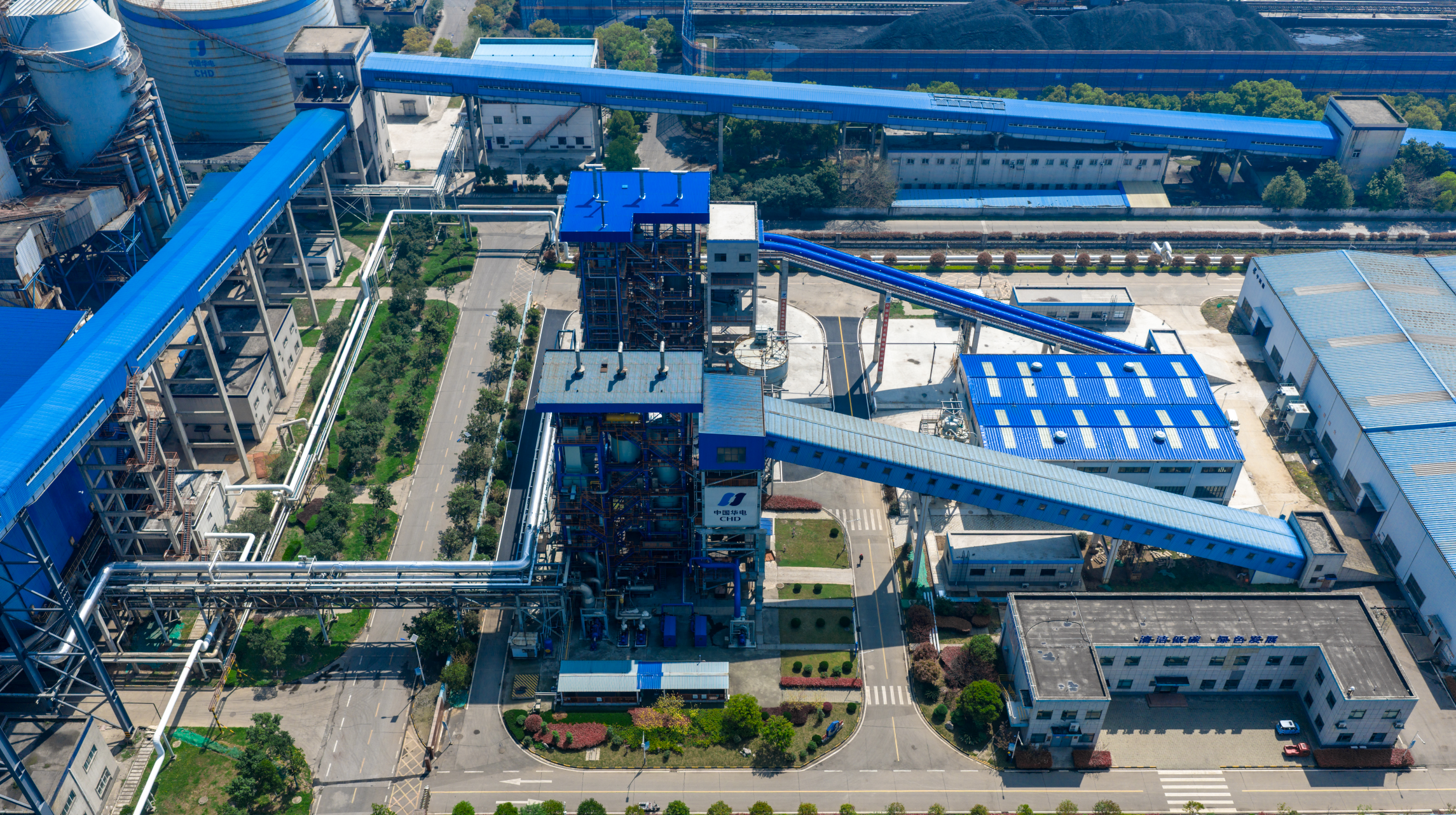
When collaborating with Huaguang Group on the nation's inaugural wood chip gasification for biochar, syngas, heat and electricity integrated project, the client prioritized long-term operational stability and introduced stringent downtime penalty clauses that most industry peers refused to accept. Rather than avoiding risk, Debo opted for transparent, balanced collaboration: explicitly defining the rights and responsibilities of feedstock supply, power supply, and operations teams, while detailing performance evaluation and fulfillment mechanisms. Additionally, Debo reduced plant-wide outage risks through redundant auxiliary configurations and backup equipment systems. Built on candid communication and solid delivery guarantees, the partnership succeeded, turning the project into an industry-wide benchmark.
Integrity and Pragmatism: Bringing the Value of Technology to Life
Through years of deep development, Debo's biomass biochar-syngas co-production technology achieved mature industrial delivery capabilities. Based on robust technical accumulation and project experience, Debo was awarded the Second Prize of the National-Level Sci-Tech Progress Award in 2025, realizing an integrated closed-loop production system combining power generation, biochar, and high-grade activated carbon. Under Debo's operational philosophy, advanced technology serves as a tool to solve industrial challenges, while an honest and pragmatic approach is the prerequisite for transforming technology into actual value for clients.
Regarding Huaguang's requirement for activated carbon production from woodchips, Debo refrained from packaging lab-scale metrics or exaggerating process capabilities. Instead, we shared long-term industrial field test data, disclosing actual yield rates, unit energy consumption, and key operational metrics. This enabled the client to evaluate technical performance transparently, eliminating redundant testing costs and accelerating project execution. Grounded in real operational data and proven commercial engineering, this transparent approach remains our hallmark mode of partnership.
In post-sales service, Debo adheres to contractual and long-term pragmatic service commitments. During the warranty period, for equipment-attributable failures, we guarantees a 1-hour response time and on-site engineering dispatch within 48 hours out-of-province, fully absorbing corresponding liability costs. Beyond the warranty period, we maintains regular site visits and maintenance support without degrading service quality simply because a contract has expired. Today, with over 300 equipment units operating across global project sites, consistent performance and reliable service have made repeat client purchases and industry referrals Debo's primary drivers of growth, creating a healthy, sustainable business cycle.
A frequent question in the industry is: Why does Debo consistently secure benchmark projects despite its higher equipment investment and pricing strategy that doesn’t focus on low prices? The core answer lies not in promotional packaging, but in long-term delivery capability. Short-term low prices close single sales, whereas integrity, accountability, and pragmatic execution continuously accumulate reliable projects, iterate technologies, and build industry reputation. This generates a positive feedback loop: "Trusted Partnership → Reliable Delivery → Technology Refinement → Capability Elevation," delivering long-term, tangible value to clients.
Embracing Industrial Responsibility to Foster Shared Sector Growth
Debo defines "moral productivity" not merely as contractual fidelity to clients, but as a commitment to industrial advancement and responsible growth. For the past 18 years, the company has focused on the resource utilization of agricultural and forestry waste, converting agricultural and forestry waste such as straw and leftover wood chips into green products such as syngas, biochar, and activated carbon. It continues to promote the recycling of agricultural and forestry waste, effectively assisting regional carbon reduction and resource regeneration, and aligning with the direction of national double carbon goals and circular economy development.
At the industry level, Debo adheres to a philosophy of symbiotic development, actively participates in the formulation of numerous national and industry standards, and proactively shares practical experience in areas such as raw material pretreatment and the stable operation and maintenance of equipment. The company refrains from erecting technical barriers or engaging in cutthroat competition, thereby contributing to the overall standardization and regulation of the industry. Internally, the company fosters a rigorous work ethic, requiring thorough empirical testing in R&D, strict quality control in manufacturing, and direct accountability in post-sales service—translating professional standards into reliable equipment, swift issue resolution, and dependable project execution.
In our business strategy, Debo has always adhered to the principles of mutually beneficial pricing and cooperation, refraining from blind price markups and cutthroat competition. By building on mature, benchmark projects, the company has developed a replicable circular economy model for agriculture and forestry, helping to improve the quality and upgrade local agricultural and forestry industries. Through its steadfast corporate responsibility, Debo extends the social value of its technology and integrity.
Grounded in Technology, Sustained by Trust
"Technology determines how many problems an enterprise can solve; ethical standards determine how far it can go. " This represents Debo's foundational reflection after 18 years of dedicated work.
Over the past 18 years, Debo has established a strong position in biomass gasification through continuous technological iteration, solid project execution, and dependable product quality. More importantly, it has earned long-term market trust through transparent accountability, contractual fidelity, and pragmatic execution. For Debo, corporate ethics is not a marketing slogan; it is reflected in every issue resolved, every standard implemented, and every stable project operated—serving as the company's most reliable productive force.
Standing at a new starting line after eighteen years, Debo will remain grounded in pragmatic execution while advancing the iteration of new technologies and processes, including biochar-syngas co-production, green hydrogen, green methanol, LNG, and Sustainable Aviation Fuel (SAF). Guided by integrity and quality standards, Debo will continue contributing solid value to the green energy sector and circular economy through reliable technology, dependable service, and responsible stewardship.